
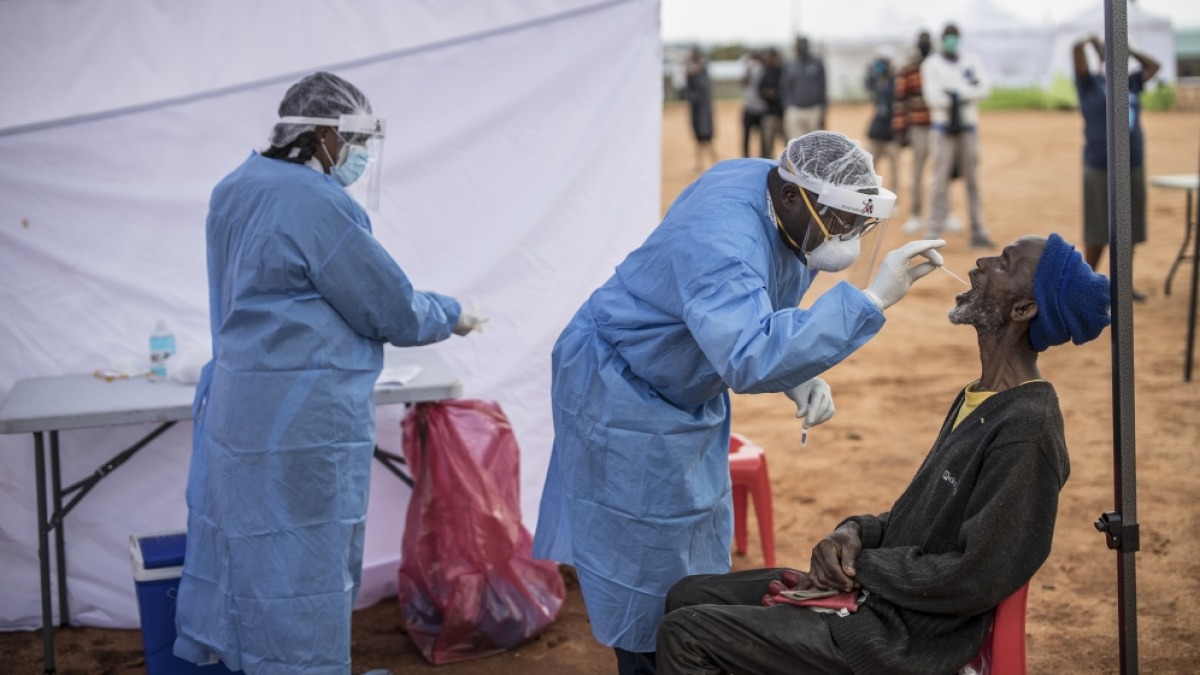
The World Health Organization (WHO) has issued urgent new guidance to help countries cope with the fallout from sudden and severe cuts in external health funding, warning that the reductions are crippling essential health services across low- and middle-income countries (LMICs).
The guidance, titled “Responding to the health financing emergency: immediate measures and longer-term shifts,” outlines policy options for governments to stabilize health systems and transition toward more sustainable, domestically funded models.
According to WHO projections, global health aid is expected to fall by 30% to 40% in 2025 compared with 2023 levels. Survey data from 108 LMICs show that the funding collapse has slashed key services — including maternal care, vaccination, emergency preparedness, and disease surveillance — by as much as 70% in some nations. Over 50 countries have also reported health worker layoffs and training disruptions, further threatening system resilience.
“Sudden and unplanned cuts to aid have hit many countries hard, costing lives and jeopardizing hard-won health gains,” said Dr. Tedros Adhanom Ghebreyesus, WHO Director-General. “But in the crisis lies an opportunity for countries to transition away from aid dependency toward sustainable self-reliance.”
The WHO report warns that the funding crisis adds to long-standing fiscal pressures — including rising debt, inflation, and budget shortfalls — that already left many health systems vulnerable. The organization urged countries to adopt targeted financing reforms, improve resource efficiency, and prioritize vulnerable populations to prevent decades of progress from being reversed.
