


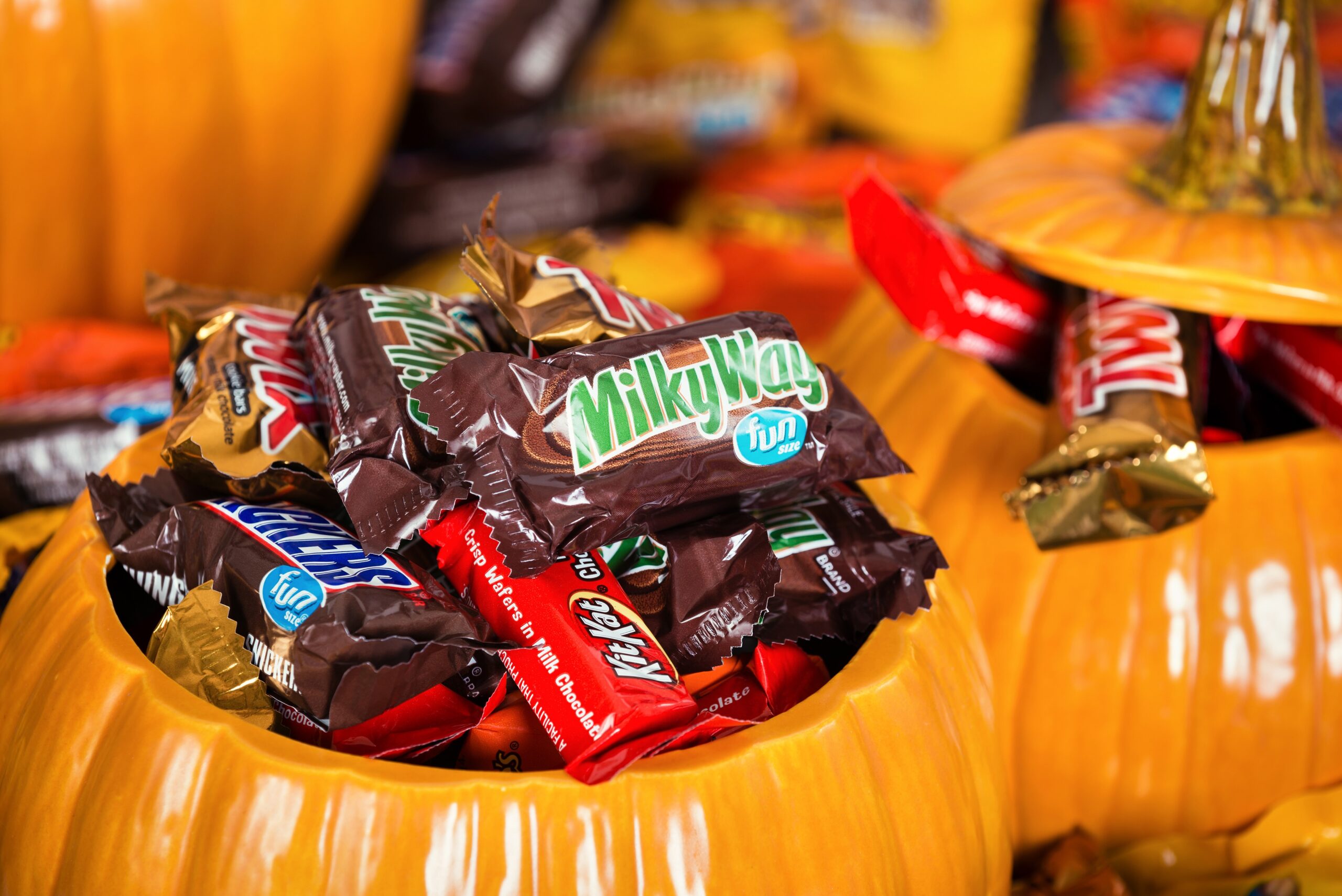
Halloween is the one night of the year when it’s perfectly acceptable — encouraged, even — to eat candy by the handful. Kids parade from door to door collecting chocolates, gummies, and sticky sweets, while adults sneak a few fun-sized bars for themselves. But as dentists across the country warn, the sugar rush of Halloween can leave a far scarier legacy than a costume ever could: lasting dental damage.
According to a report by Shiny Smiles Veneers, 35% of Americans have experienced candy-related dental issues. While the immediate concern after Halloween may be a stomachache or sugar crash, the real danger often shows up weeks or months later in the form of cavities, sensitivity, cracked teeth, or gum problems.
“A candy treat from time to time is fine,” said Dr. Kristin Lenz Galbreath, owner of Union Grove Family Dental in Wisconsin. “However, daily and frequent candy consumption will eventually have negative consequences, requiring dental treatment.”
The Most Dangerous Candies for Your Teeth
Not all candies are equally bad. Some dissolve quickly and wash away easily, while others cling to teeth or require hard biting, increasing the risk of damage. The report identified the top tooth-damaging culprits:
- Jawbreaker
- Jolly Rancher
- Bit-O-Honey
- Starburst
- Tootsie Roll
- Laffy Taffy
- Snickers
- Atomic Fireball
- Butterfinger
- Blow Pops and Milk Duds
“Many of these candies are either much harder or stickier than any natural food,” Lenz Galbreath explained. “Biting into them can crack a tooth or even pull out a filling or crown.”
Hard candies, such as Jawbreakers and Jolly Ranchers, are especially risky. A quick bite can lead to a chipped or fractured tooth, while sucking on them for long periods keeps sugar in constant contact with enamel.
Dr. Amy Sliwa Lies, owner of FiveSix Family Dental in Illinois, warns that sucking on mints or hard candy throughout the day “keeps your mouth’s pH lowered all day and sets you up for decay.”
Sticky Sweets That Linger
When it comes to cavity formation, time is the real enemy. Sticky candies such as Laffy Taffy, Bit-O-Honey, Milk Duds, and Gummy Bears don’t just coat your teeth — they cling to every crevice.
“Hard and sticky candies that remain in your mouth a long time keep the pH lowered for longer,” said Sliwa Lies. “That erodes enamel and increases the risk of cavities.”
Chocolate, on the other hand, dissolves quickly and is washed away by saliva, making it a far better choice for both kids and adults who want a safer indulgence.
The Science Behind Sugar and Decay
When sugar enters your mouth, bacteria feast on it, producing acid as a byproduct. This acid lowers your mouth’s pH and starts to dissolve the enamel — the tooth’s protective layer. Over time, repeated acid attacks weaken enamel, causing tooth sensitivity and decay.
“An acidic environment erodes enamel, making teeth more sensitive and more susceptible to cavities,” Sliwa Lies said.
Even when sugar isn’t metabolized, it can cause discomfort. “Teeth ‘feel’ through tiny tubules in the dentin layer,” she explained. “These tubules contain fluid that moves with heat, cold, or sweets, triggering the nerve of the tooth.”
People with gum recession or existing cavities often report sharp pain after eating sweets. “A common complaint for a tooth with a cavity is sensitivity to sugar,” added Lenz Galbreath.
More Than Just Cavities
Dental damage from candy can take many forms — and not all of them are minor.
- Chipped or cracked teeth: “Patients often crack or chip a tooth and ignore it because it doesn’t hurt right away,” Lenz Galbreath said. “Months later, pain sets in because decay has developed or a nerve has been exposed.”
- Jaw pain: Chewing hard or sticky candies repeatedly can strain the temporomandibular joints (TMJ) — the joints that connect the jaw to the skull. Over time, this can cause inflammation, soreness, or even jaw-locking.
- Gum irritation: Small candy fragments, especially from taffy or caramel, can wedge under the gumline, leading to irritation or infection if not removed promptly by flossing.
Even dental restorations aren’t safe. Sticky candies can pull off crowns or fillings, while hard ones can fracture them. “Decay can also form at the edge of a filling or crown if the enamel around it weakens,” Sliwa Lies explained.
How to Protect Your Smile This Halloween
Halloween doesn’t have to mean a trip to the dentist. Experts say a few smart habits can help balance the fun with good oral health:
- Set candy limits. Enjoy sweets in moderation, ideally after meals when saliva production is higher.
- Choose chocolate over sticky or hard candies. It melts faster and doesn’t cling to teeth.
- Drink water after candy. It helps rinse away sugars and neutralize acids.
- Wait before brushing. Brushing right after eating candy can spread acid across softened enamel; wait 30 minutes.
- Floss daily. Especially important after eating sticky candies.
A Sweet Treat, Not a Daily Habit
Halloween is meant to be enjoyed, not feared. Dentists agree that an occasional indulgence won’t ruin your teeth — but daily candy snacking will.
“Candy should be a treat, not a habit,” said Lenz Galbreath. “The real fright begins when small dental issues turn into big ones — cavities, broken teeth, and root canals.”
So this Halloween, enjoy your favorite sweets — just follow up with water, floss, and a healthy dose of restraint. After all, the scariest thing about Halloween shouldn’t be your next dental bill.
